#React
#vite
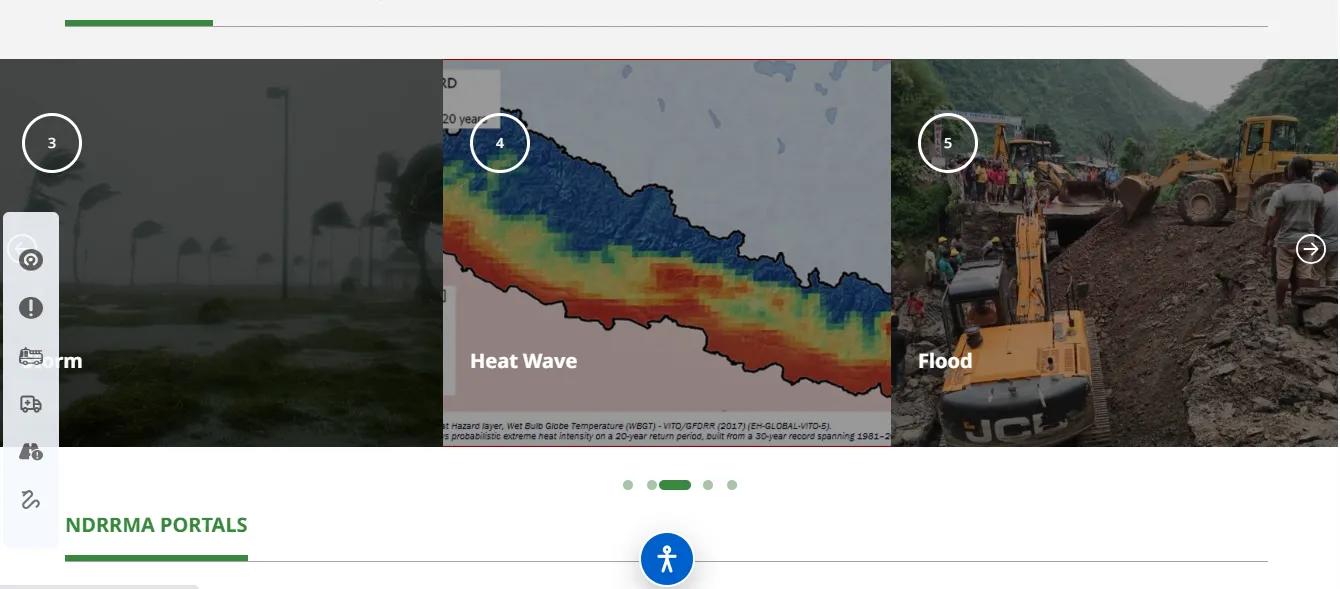
NDRRMA
🔍 Click to expand
Year
2024
Duration
8 Months
Role
Frontend Developer
Re-architecting National Disaster Resilience: A Frontend Engineer’s Deep Dive into Legacy Optimization
At a Glance
Role: Frontend Developer (Stepped into an established, active project team).
The Team: Cross-functional collaboration with Backend Engineers, Researchers, Project Managers, and UI/UX Designers.
The Challenge: Stepping into a live, cluttered legacy codebase for the National Disaster Risk Reduction and Management Authority (NDRRMA) platform, burdened by unoptimized performance, heavy technical debt, and lingering console errors.
The Solution: Spearheaded a frontend overhaul, refactoring component architecture, streamlining state management with Redux Toolkit, purging error logs, and slashing load times using React with Vite and Tailwind CSS.
The Impact: Delivered a lightning-fast, zero-error user interface capable of delivering life-critical disaster risk data reliably to the public.
The Backstory: Stepping In When Every Second Counts
When dealing with natural disasters, public safety relies entirely on the rapid, reliable dissemination of information. The National Disaster Risk Reduction and Management Authority (NDRRMA) platform serves as a vital public hub, providing citizens with real-time risk assessments, historical disaster data, emergency resources, and educational blogs.
When I was introduced to the project, the platform was already live and actively being developed by an established cross-functional team of backend engineers, researchers, project managers, and designers. My specific mandate as a Frontend Developer was clear: take ownership of the client-side experience, tackle the growing technical debt, and transform a sluggish, cluttered interface into a high-performance, resilient web application.
The Tech Stack
To modernize the frontend and integrate smoothly with the existing infrastructure, I worked within a robust stack:
Frontend Framework: React with Vite
State Management: Redux Toolkit
Styling: Tailwind CSS with custom CSS workflows
Backend Integration: Django APIs backed by a PostgreSQL database
The Core Challenge: Untangling an Inherited Codebase
Stepping into an ongoing project means inheriting someone else's architectural decisions—good and bad. When I dove into the frontend repository, I faced several immediate hurdles:
Code Clutter & State Chaos: Disorganized component structures, unmanaged side effects, and messy state logic made the codebase difficult to scale or maintain.
Performance Bottlenecks: Slow initial load times and sluggish re-renders threatened user experience, particularly for citizens searching for time-sensitive emergency data.
The "Error Log" Noise: A console littered with unhandled warnings and runtime errors that created hidden fragility across user journeys.
The Engineering Dilemma: How do you step into an active project halfway through, untangle a messy legacy frontend, and refactor it for performance and scale without breaking the features the team had already built?
The Strategy & Frontend Execution
To turn the frontend around, I adopted a systematic approach focused on performance, modularity, and cleanliness:
1. Restructuring Component Architecture & State
I audited the existing component tree and refactored the file structure to establish clear, scalable design patterns using React with Vite. To eliminate prop drilling and erratic UI behavior, I centralized and cleaned up our state logic using Redux Toolkit, ensuring predictable data flow across complex dashboards. I also refined our styling system using Tailwind CSS and custom CSS, guaranteeing a responsive, accessible layout across all devices.
2. Eradicating Technical Debt and Console Errors
I went through the application methodically, hunting down and resolving every single console error and warning. Cleaning up these hidden bugs drastically improved runtime stability and prevented unexpected edge-case crashes in production.
3. Slashing Load Times and Optimizing Performance
Because this platform handles critical disaster information, speed is non-negotiable. I optimized asset bundles, streamlined component re-rendering cycles, and accelerated API data consumption patterns resulting in lightning-fast page loads that ensure citizens get emergency resources instantly.
The Impact: A Resilient, High-Performance Frontend
My integration into the team and subsequent frontend overhaul delivered immediate, measurable improvements:
Flawless Execution: Completely cleared all console errors, establishing a pristine, production-grade frontend environment.
Blazing-Fast UI: Dramatically reduced load times and interaction delays, ensuring critical disaster data reaches users instantly when it matters most.
Maintainable Architecture: Transformed a cluttered legacy codebase into a clean, scalable, and modular system that the entire engineering team could build upon seamlessly.
Key Takeaways
Joining an active project as a frontend specialist reinforced two major engineering truths:
The Importance of Architecture: Clean file structures, predictable state management (Redux Toolkit), and disciplined styling rules are the backbone of any sustainable app.
The Value of Documentation: Clear documentation and architectural guidelines are essential for smooth onboarding, ensuring new engineers can jump into an existing codebase and make an immediate, high-impact contribution.
More Related Case Studies
Explore additional engineering and architectural projects.

2 MIN READ

web apps
react
vite
nodejs
+1
EmployeeDB is a robust web application designed for efficient employee management and recognition. Whether you’re looking to add, update, or remove employee records or nominate someone for "Employee of the Month," EmployeeDB offers an intuitive platform for all your needs.
Key Features
1. Employee Management
Add Employee: Enter new employee details, including name, contact information. The system validates entries to ensure data accuracy.
Update Employee: Edit existing employee information, or updates to contact details.
Delete Employee: Remove employee records.
2. Employee of the Month Nominations
Nominate Employee: Nominate employees for the "Employee of the Month" based on criteria such as performance, achievements, or contributions. The nomination form allows users to detail the reasons for their nomination.
Review Nominations: View and manage current nominations.
Detailed Workflow
1. Add/Edit Employee Form
Input Fields: Name, Phone Number, Email, Address, etc.
Validation: Enforce data accuracy with field validation and error messages.
User Experience
Intuitive Interface: Designed for ease of use with a user-friendly layout.
Responsive Design: Accessible from desktop and mobile devices for on-the-go management.
EmployeeDB offers a streamlined, efficient, and secure way to manage employee records and recognize exceptional employees. With its user-friendly interface and powerful features, EmployeeDB is designed to enhance operations and foster a positive work environment.


5 MIN READ
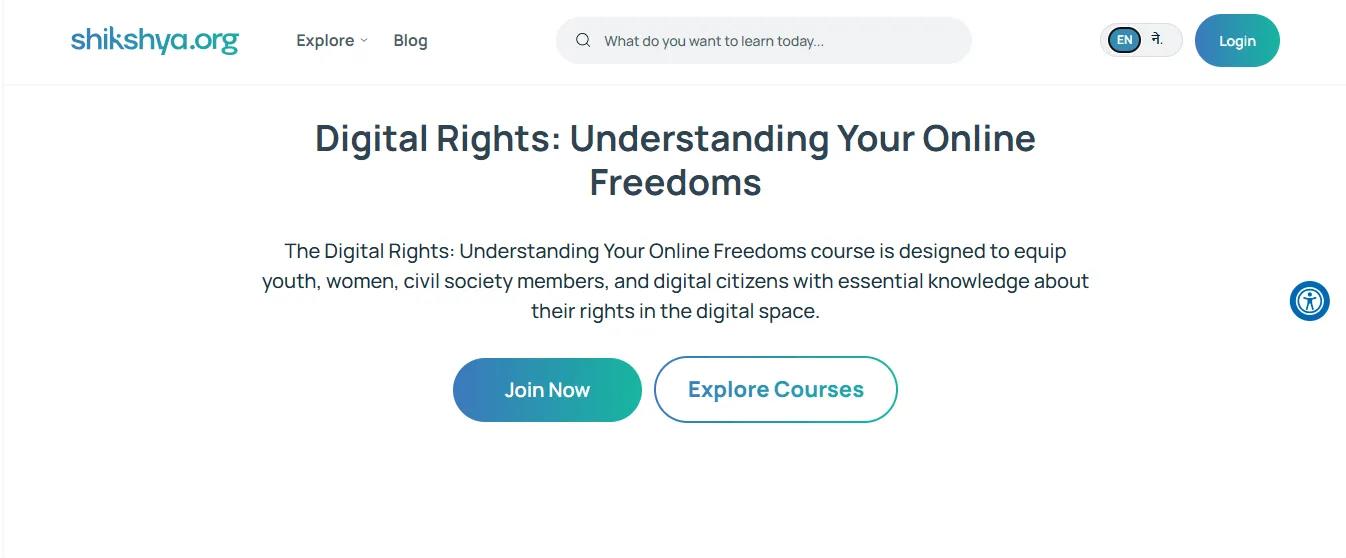
Shikshya
react
vite
web-apps
+4